
Popular Wood Types Used for Deck and Porch Construction
People seeking deck and porch construction often want durable, attractive wood options, and local contractors can help select and work with popular wood types used for these projects.
Visitors exploring popular wood types used for deck and porch construction are in the right place for practical insights that can influence their outdoor projects. Understanding the characteristics of different woods helps property owners make informed decisions about durability, appearance, and maintenance, especially when planning to enhance their outdoor living spaces. Whether considering a new deck or updating an existing porch, knowing which wood types stand up well to local weather conditions and usage can guide property owners toward choosing materials that will look great and last for years. Local contractors experienced in deck and porch construction are familiar with these options and can help match the right wood type to specific project needs.
Continuing to explore this topic can reveal valuable details about the advantages and limitations of popular wood choices, empowering property owners to make confident decisions. Since local service providers are well-versed in these materials, they can recommend the best options based on the local climate, style preferences, and long-term performance. This knowledge supports property owners in creating outdoor spaces that are both functional and attractive, with the right wood types ensuring a solid foundation for their decks and porches. Reading further can help uncover the practical reasons behind selecting specific woods, making it easier to connect with local contractors who can bring these ideas to life.
- Deck construction - homeowners planning a new deck often seek local contractors experienced with popular wood types used for deck and porch construction to ensure durability and aesthetic appeal.
- Porch renovation - those updating or expanding an existing porch may need service providers familiar with the best wood options for long-lasting outdoor structures.
- Custom deck design - clients interested in unique or intricate deck features frequently work with local pros who understand the properties of popular wood types used for deck and porch construction.
- Material selection assistance - homeowners unsure about which wood to choose for their outdoor project can rely on local contractors to recommend suitable options based on the most popular wood types used for deck and porch construction.
- Structural repairs and replacements - property owners needing to repair or replace damaged decking often seek local service providers knowledgeable about the characteristics of common wood types used for deck and porch construction.
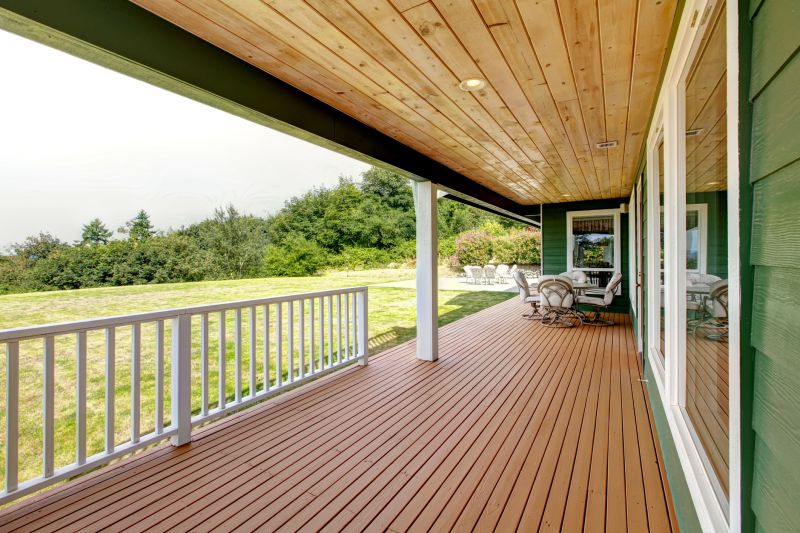
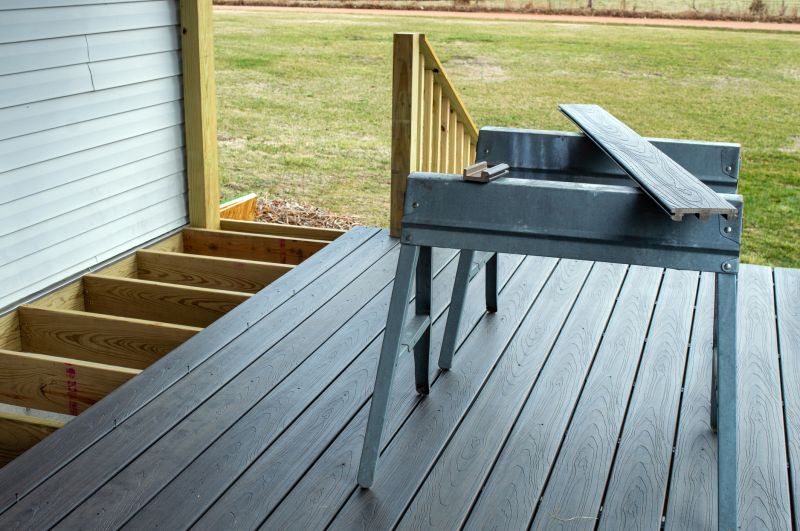
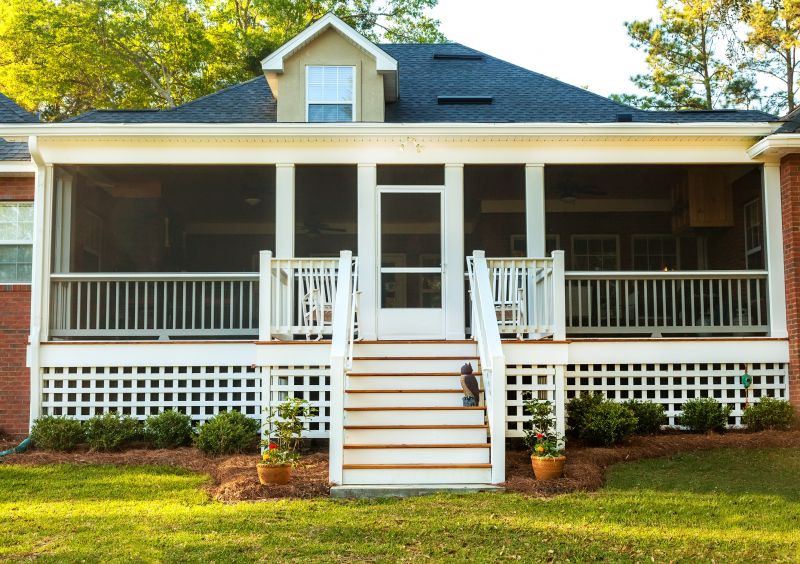
When searching for information about popular wood types used for deck and porch construction, homeowners are often looking to understand which materials are most suitable for outdoor living spaces. This interest typically stems from plans to build or upgrade a deck or porch that combines durability, aesthetic appeal, and ease of maintenance. Homeowners may be exploring different options to ensure their new outdoor structure withstands weather conditions, resists pests, and maintains its appearance over time. The choice of wood can significantly influence the overall look and longevity of the project, making it a key consideration in planning outdoor renovations.
Many property owners associate this topic with common problems such as wood rot, warping, splintering, or insect damage, which can compromise the safety and appearance of a deck or porch. These concerns often lead homeowners to seek out the most popular wood types that offer resistance to these issues. Additionally, property plans may include features like multi-level decks, wraparound porches, or custom built-ins, which require selecting the right wood to match the design intent while ensuring structural integrity. Understanding the differences among various wood types helps homeowners make informed decisions that align with their property's needs and their vision for outdoor living spaces.
The types of properties that typically come up in discussions about wood for decks and porches include residential homes, especially single-family houses, townhouses, and cottages. These structures often feature outdoor spaces designed for relaxation, entertainment, or aesthetic enhancement. In some cases, property owners may have older homes with existing decks or porches that need repair or replacement, prompting questions about suitable wood options for renovation projects. The local contractors who specialize in deck and porch construction are familiar with these property types and can advise on the best wood choices that match the specific requirements of each property, whether it’s a small backyard deck or a large multi-level porch.
Understanding popular wood types used for deck and porch construction helps homeowners connect their project goals with the expertise of local service providers. By choosing the right wood, property owners can ensure their outdoor spaces are both functional and visually appealing, while also reducing future maintenance needs. Local contractors can assist in selecting the best materials based on the property's location, climate, and design preferences. This collaborative approach ensures that the finished deck or porch not only enhances the property's value but also provides a durable, attractive outdoor area that aligns with the homeowner’s vision and lifestyle.
Outdoor furniture projects - carpentry and finishing skills used in deck and porch construction are also essential for building durable outdoor furniture from similar wood types.
Garden structures - pergolas, arbors, and planters often utilize the same wood materials and planning considerations as decks and porches.
Fence installation - understanding wood properties and layout planning aligns with the skills needed for constructing fences with similar materials.
Sunroom or patio enclosure projects - framing and structural work in these projects share techniques with porch construction using comparable wood types.
Interior woodwork - custom trim, paneling, and built-ins often involve similar planning and woodworking skills as outdoor deck and porch projects.
Shed and small outbuilding construction - these structures require similar material selection and planning as larger outdoor projects like decks and porches.
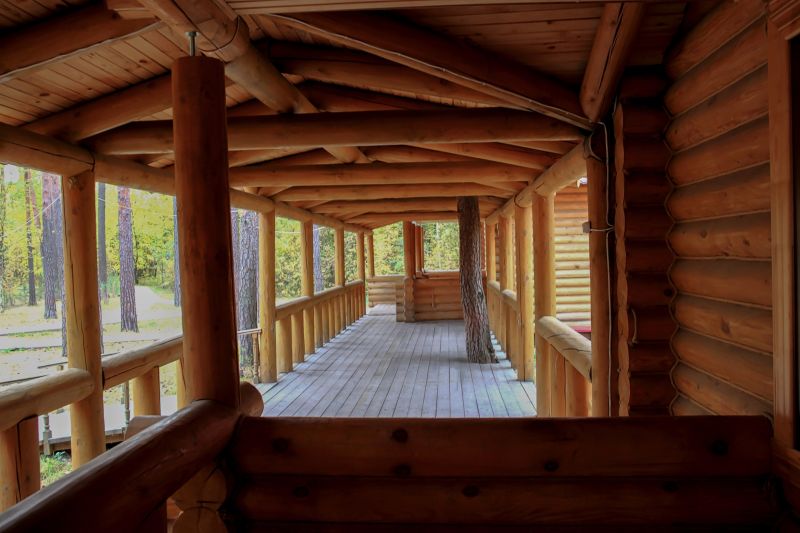
When evaluating service providers for deck and porch construction, it is important to consider their experience with similar projects, particularly those involving the use of popular wood types used for deck and porch construction. Contractors with a proven track record in working with these materials can offer valuable insights into the best options for durability, appearance, and maintenance. Asking for examples of past work or references from previous clients can help gauge their familiarity with different wood types and their ability to handle the specific demands of your project.
Clear written expectations are essential when comparing local contractors. A detailed scope of work should outline the types of wood to be used, the level of craftsmanship, and the anticipated outcomes. This documentation helps ensure that both parties are aligned on project goals and standards, reducing misunderstandings or surprises during the construction process. Reputable service providers often provide comprehensive proposals that include specifications and materials, which can serve as a useful basis for comparison.
Effective communication is a key factor in choosing the right professional for deck and porch construction. Contractors who are responsive, transparent, and willing to answer questions about different wood options and their implications demonstrate a commitment to client understanding and satisfaction. Good communication also facilitates the process of setting realistic expectations and addressing concerns early on. When evaluating local pros, it’s beneficial to consider how well they explain their approach, listen to your preferences, and keep you informed throughout the project to ensure a smooth and successful construction experience.
Property owners often search for popular wood types used for deck and porch construction when they are planning practical projects around their homes and businesses. Local pros provide Deck and Porch Construction services for everyday jobs and straightforward project options.
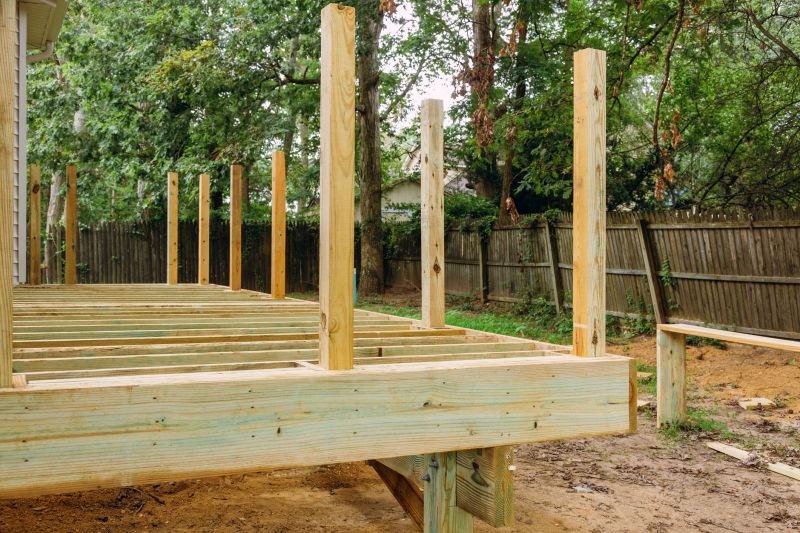
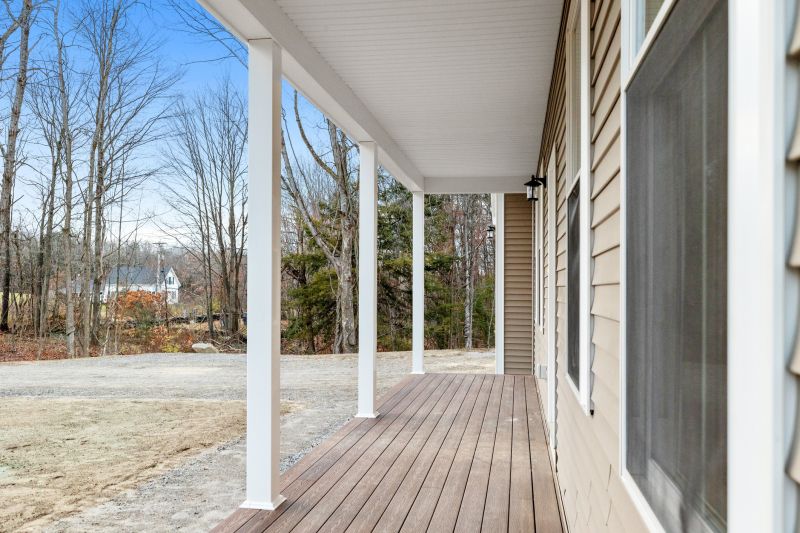
Many property owners considering a new deck or porch often look into the different types of wood used in construction to ensure durability and aesthetic appeal. Popular wood types for deck and porch construction include pressure-treated lumber, cedar, and redwood, each offering unique benefits such as resistance to rot, insects, and weathering. Homeowners might search for this information when planning a project to understand which materials will hold up best over time and match their style preferences, making it easier to choose the right local contractors for the job.
Understanding the characteristics of various wood options can help property owners make informed decisions when hiring local contractors to build or upgrade their outdoor spaces. Service providers experienced in deck and porch construction can advise on the best wood types based on the specific needs of the property and the local climate. This knowledge ensures that the finished project meets expectations for longevity and visual appeal, providing a solid foundation for a successful build.
What are some popular wood types used for deck and porch construction? Common choices include pressure-treated pine, cedar, redwood, tropical hardwoods like ipe, and composite materials, with local contractors able to recommend the best options based on your needs.
Why is cedar often used for decks and porches? Cedar is valued for its natural resistance to rot and insects, making it a durable choice that local service providers frequently recommend for outdoor structures.
Are tropical hardwoods suitable for outdoor decks? Yes, tropical hardwoods such as ipe are known for their density and longevity, and local contractors can help determine if they are appropriate for your project.
What are the advantages of using pressure-treated wood for decks? Pressure-treated wood is affordable and resistant to moisture and pests, which makes it a popular option that local pros often work with for long-lasting outdoor spaces.
Can composite materials be used instead of traditional wood? Yes, composite decking offers low maintenance and durability, and many local contractors can install these modern alternatives as part of their services.
Choosing durable woods can help property owners select materials that withstand foot traffic and outdoor elements for their decks and porches, ensuring long-lasting results with the help of local contractors.
Considering wood grain and color allows homeowners to match their aesthetic preferences when working with local service providers on custom deck and porch designs.
Opting for low-maintenance wood types can reduce upkeep needs, making it easier for property owners to enjoy their outdoor spaces with minimal effort, with guidance from local pros.
Selecting pest-resistant woods can prevent damage over time, helping property owners protect their investment when planning new decks or porches with local construction specialists.
If you are thinking about popular wood types used for deck and porch construction for a property, this guide is meant to help you understand this topic, the typical project types, and how different options might fit your plans.
When you are ready, you can use the quote form on this page to share a few details about your project. From there, local pros can review the basics and follow up with options that match what you have in mind.